
Mold Testing in Cornwells Heights, PA

Find It Before It Finds You

Accurate mold testing that tells you what’s growing, where it’s hiding, and what to do next.

Hear from Our Customers

Professional Mold Testing Services

Know What You're Dealing With

You can’t fix what you can’t see. Mold grows behind walls, under floors, and in crawl spaces you never check. By the time you smell it or see discoloration, spore counts are already high enough to affect your air quality.

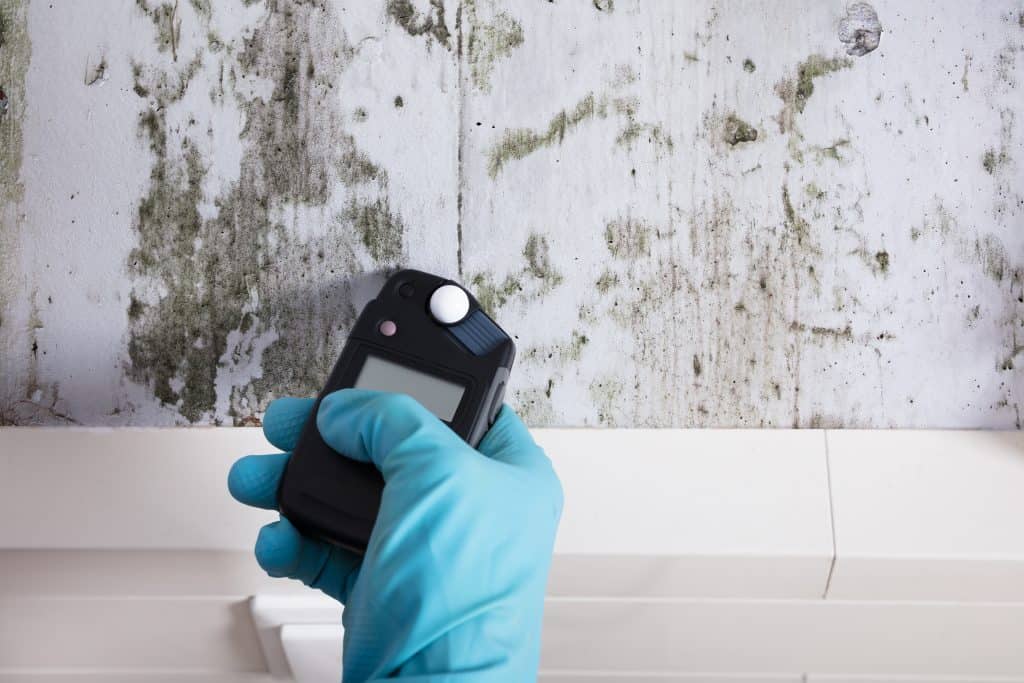
Professional mold testing identifies the type of mold, measures spore concentration, and maps contamination across your property. You get lab-verified results, not guesswork. That means you know if you’re dealing with common surface mold or something that requires containment and removal.

Most homes in Cornwells Heights, PA were built between 1940 and 1969. Older construction means older plumbing, less effective moisture barriers, and more opportunities for water intrusion. Testing gives you a baseline so you can make decisions based on data, not panic.

Mold Testing Company Cornwells Heights

Nearly 30 Years in Bucks County

We’ve been testing and removing mold across Bucks County since the mid-1990s. We’re certified, insured, and follow EPA and IICRC standards on every job. That’s not marketing language—it’s how we operate.

We know Cornwells Heights, PA. We know the housing stock, the flood zones near the Delaware, and the basements that stay damp no matter what you do. When you call, you’re talking to people who’ve seen your exact situation dozens of times.

We don’t upsell. We test, report findings, and recommend next steps. If you need remediation, we handle it. If you don’t, we tell you that too.

How Residential Mold Testing Works

Testing Process Start to Finish

First, we walk your property and look for visible mold, water damage, and moisture issues. We check basements, attics, bathrooms, and any areas with a history of leaks or flooding. This visual inspection tells us where to focus testing.

Next, we collect air samples and surface samples from affected areas. Air samples measure spore concentration in different rooms. Surface samples identify mold species on walls, floors, or materials. We send everything to an independent lab for analysis.

You get results within a few days. The report breaks down mold types, spore counts per cubic meter, and contamination levels by room. We walk you through what it means in plain terms. If spore counts are above 10,000 per cubic meter, that’s when remediation becomes necessary. If they’re lower, we discuss prevention and monitoring.

After that, we give you a written plan. If removal is needed, we outline containment, removal, and air filtration steps. If testing shows you’re clear, you have documentation for insurance, buyers, or your own records.

Ready to get started?

Explore More Services

About Mack's Mold Removal

Black Mold Test and Inspection

What's Included in Every Test

Every mold testing service includes a full property walkthrough, moisture assessment, air quality sampling, and surface testing where needed. We use thermal imaging to detect hidden moisture and spore traps to capture airborne contamination. All samples go to a third-party lab, so results are unbiased.

You receive a detailed report that lists mold species, spore counts, contamination zones, and moisture readings. We also include photos and notes from the inspection. This documentation works for insurance claims, real estate transactions, or health-related concerns.

In Cornwells Heights, PA, about 5% of properties face severe flooding risk over the next 30 years. That’s 17 properties already identified as high-risk. Flooding brings moisture, and moisture brings mold. Testing after water events is critical, even if you don’t see visible growth yet. Mold can colonize within 24 to 48 hours of water exposure.

We also offer expedited testing for time-sensitive situations—home sales, tenant disputes, or health emergencies. Standard turnaround is three to five days. Expedited results come back in 24 to 48 hours.

How much does mold testing cost in Cornwells Heights?

Most residential mold testing runs between $300 and $600 depending on property size and the number of samples needed. A typical single-family home requires two to four air samples and one to three surface samples. Larger homes or properties with multiple suspected areas cost more because they require additional sampling.

If you’re testing after a known water event—like a burst pipe or basement flood—you might need more extensive sampling to map the spread. We give you a flat quote upfront based on your situation, so there’s no surprise billing.

Some companies offer free testing if you hire them for remediation. That creates a conflict of interest. We charge for testing because it keeps the process objective. You’re paying for accurate information, not a sales pitch.

Home test kits detect mold presence, but they don’t tell you what type, how much, or where it’s concentrated. You’ll get a yes or no answer, which doesn’t help you make decisions. Most people who use DIY kits end up calling us anyway because they still don’t know what to do with the results.

Professional testing measures spore counts per cubic meter and identifies species. That matters because some molds are cosmetic issues, while others—like Stachybotrys, commonly called black mold—require containment and removal. A kit can’t give you that level of detail.

Lab analysis also provides documentation that holds up for insurance claims, real estate inspections, and health evaluations. A $30 kit from a hardware store won’t give you that. If you’re serious about knowing what’s in your home, professional testing is the only reliable option.

The onsite inspection and sampling take one to two hours depending on your property size. We’re not rushing through it—we’re checking every area that could have contamination. That includes basements, crawl spaces, attics, and any rooms with visible water damage or musty odors.

After we collect samples, the lab takes two to five days to process results. Expedited testing cuts that to 24 to 48 hours if you’re in a time crunch. Once results come back, we schedule a follow-up call or meeting to review findings and discuss next steps.

If remediation is needed, that’s a separate timeline. Small jobs take one to three days. Larger contamination zones can take a week or more depending on the extent of removal and drying required. We give you a clear timeline before any work starts.

Air testing measures mold spore concentration in the air you’re breathing. We use spore traps to collect samples from different rooms, then compare indoor counts to outdoor baseline levels. If indoor counts are significantly higher, that indicates active mold growth somewhere in the property.

Surface testing identifies mold species growing on walls, floors, ceilings, or materials. We take swab or tape samples from visible growth or suspected areas. Lab analysis tells us exactly what’s growing and whether it’s a health concern.

Most comprehensive mold inspections use both methods. Air testing shows contamination levels throughout your home. Surface testing confirms what’s growing in specific problem areas. Together, they give you a complete picture of your mold situation. One without the other leaves gaps in the assessment.

No, you don’t need to leave during testing. The process is non-invasive and doesn’t release mold spores or use chemicals. We’re collecting samples, taking moisture readings, and documenting conditions. You’re welcome to stay and ask questions while we work.

If you have severe mold allergies or respiratory conditions, you might feel more comfortable stepping out while we inspect heavily contaminated areas. But that’s your call, not a requirement. Most homeowners stay and walk through the property with us so they understand what we’re finding in real time.

Remediation is different. If we’re removing mold, we set up containment barriers and use air filtration equipment. Depending on the scope of work, we might recommend staying elsewhere for a day or two. But testing itself? You’re fine to be there.

Test after any water damage—flooding, leaks, pipe bursts, or roof damage. Even if you dried everything quickly, mold can start growing in hidden areas within 24 to 48 hours. Testing confirms whether you caught it in time or if contamination spread.

You should also test if you smell musty odors but can’t find the source, if anyone in your home is experiencing unexplained respiratory issues, or if you’re buying or selling a property in Cornwells Heights, PA. Homes built in the 1940s through 1960s are more prone to moisture issues due to older construction methods and aging materials.

If you’ve had previous mold problems, periodic testing confirms that remediation worked and mold hasn’t returned. About 50% of U.S. homes have visible mold at some point. Testing gives you certainty instead of hoping the problem went away on its own.

Other Services we provide in Cornwells Heights